Must-Try Ghanaian Street Food: A Safe Guide for International Travellers
The best food in Accra is on a plastic stool under a tarpaulin. Here is what to order, what it costs in 2026, where to find it, and the handful of habits that keep you well.
Eating Well in Ghana Without Losing a Day to Illness
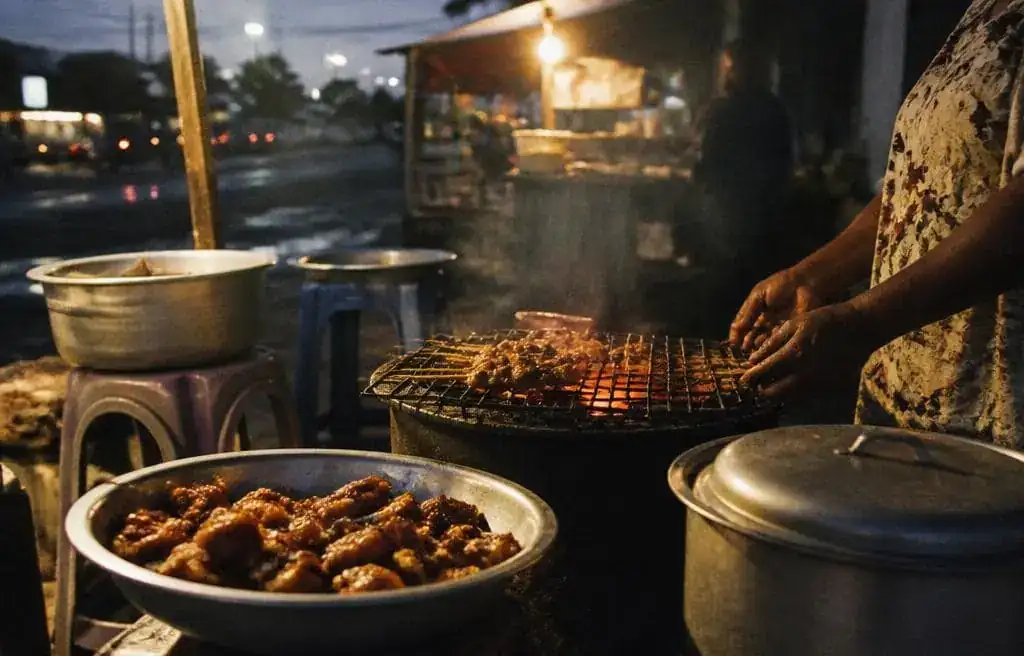
The best food in Accra is not in the hotels. It is on a plastic stool under a tarpaulin, or bought through a car window at a junction, or ladled out of an aluminium pot by a woman who has been cooking the same dish for twenty years. Skipping it means skipping the country.
The worry that keeps visitors away is fair enough — two days lost to a bad stomach out of a seven-day trip hurts. But trouble here is mostly predictable, which means it is mostly avoidable. Below is the version a local friend would give you: what to order, where, and the few habits that keep you upright.
The Golden Rules of Safe Street Eating
- Hot, fresh and cooked in front of you. Heat is the single best sterilising agent available. Food lifted straight off the coals or out of a bubbling pot is a very different risk to food sitting lukewarm in a covered basin.
- Follow the queue. A busy vendor turns over stock quickly, and locals know who makes people sick. An empty stall at lunchtime is telling you something.
- Be careful with water and ice. Drink sachet water ("pure water") from a recognised brand, or bottled water. Skip ice in informal settings. The Food and Drugs Authority registers water producers, and the printed registration number is a genuine signal.
- Raw salads and unpeeled fruit are the real culprits, more often than grilled meat. Eat fruit you peel yourself — pineapple, mango, oranges, bananas.
- Carry hand sanitiser. Most stalls provide a bucket, tap and soap; use it when it is there and sanitiser when it is not.
- Start gently. Give your system two or three days before the fiercest pepper. Ghanaian chilli is not a garnish.
The Ghana Health Service recommends travellers arrive with yellow fever vaccination (mandatory), and discuss typhoid and hepatitis A cover with a travel clinic before departure. Those two vaccines remove most of the serious food-linked risk.
Must-Try Ghanaian Street Food
Kelewele
Ripe plantain cubed and tossed in ginger, chilli, nutmeg and a little salt, then deep-fried until the edges caramelise. Sweet, hot and savoury at once. Sold from dusk onwards at roadside braziers across Osu, Dansoman, East Legon and Madina. Roughly GH₵ 10–25 a portion, often served with roasted groundnuts.
Safety: excellent. Deep-fried to order, eaten immediately.
Waakye
Rice and beans cooked with dried sorghum leaves, which give the dish its russet colour. Served with shito (black pepper sauce), gari, spaghetti, boiled egg, avocado, wele (cow skin) and a stew of your choosing. This is Ghana's great breakfast institution and the queue at a good waakye seller starts before 7 a.m.
Expect GH₵ 20–60 depending on how much protein you add.
Safety: buy in the morning, when it is fresh and turning over fast. Late-afternoon waakye that has been sitting is the classic mistake.
Jollof Rice
The dish that starts arguments across West Africa. Ghanaian jollof uses aromatic long-grain rice cooked in a tomato, onion, pepper and stock base, usually with chicken or beef and a side of shito. Best eaten at a chop bar or from a lunchtime canteen; GH₵ 30–80 with protein.
Banku and Tilapia
Fermented corn and cassava dough, cooked to a smooth, tangy mound, served with whole grilled tilapia, fresh pepper sauce and sliced onion. Eaten with your right hand. This is the definitive Accra evening meal — Osu, Labadi and the Airport Residential strip all have specialists. GH₵ 70–180 depending on fish size.
Safety: very good when the fish is grilled to order in front of you. Ask for it hot through.
Red Red
Black-eyed peas stewed in palm oil with onion and tomato, served with fried ripe plantain. Vegan-friendly if you confirm no fish powder was added. GH₵ 25–50.
Chichinga (Suya-Style Kebabs)
Thin strips of beef, chicken or gizzard rubbed in a spiced groundnut mix and grilled over charcoal, then dusted with more spice. A northern Ghanaian import that owns Accra nights. GH₵ 10–30 a stick.
Safety: insist it comes straight off the fire. Avoid pre-grilled sticks resting on a tray.
Fufu and Light Soup
Pounded cassava and plantain in a peppery tomato broth with goat, chicken or fish. Traditionally swallowed rather than chewed. A chop bar lunch runs GH₵ 40–90.
Bofrot and Koose
Bofrot are sweet fried dough balls, sold by the bag for a few cedis at any roadside. Koose are spiced bean fritters, usually eaten at breakfast with koko (spiced millet porridge). A full breakfast of koko and koose costs about GH₵ 15–30.
Tatale, Kenkey and Shito
Tatale is a spiced plantain pancake. Kenkey is fermented maize dough steamed in husks, served with fried fish and grated pepper — sour, filling and unmistakably Ghanaian. Shito, the dried-shrimp and chilli oil sauce, deserves a jar in your suitcase; the Ghana Export Promotion Authority lists producers who bottle it for export.
Where to Eat in Accra
| Area | What it is known for | Best time |
|---|---|---|
| Osu (Oxford Street) | Kelewele, chichinga, banku and tilapia, late-night grills | 6 p.m. – midnight |
| Jamestown | Fresh grilled fish, kenkey, harbour-side stalls | Late morning, early evening |
| Madina Market | Waakye, koko and koose, fruit | 6 a.m. – 10 a.m. |
| Makola Market | Snacks, fruit, groundnuts, roadside rice | 8 a.m. – 10 a.m. (see our Makola timing guide) |
| Labadi Beach road | Tilapia, red red, coconut | Late afternoon |
| East Legon / Airport | Upmarket chop bars and modern Ghanaian restaurants | Lunch and dinner |
Dietary Restrictions
- Vegetarian: possible but requires questions. Red red, kelewele, tatale, gari foto and plain waakye work. Confirm no fish powder, crayfish or meat stock.
- Halal: widely available in Nima, Madina and Newtown, and most northern-style chichinga sellers are Muslim-run.
- Allergies: groundnut (peanut) is used heavily in soups, kebab rub and snacks. If you have a peanut allergy, avoid suya-style meats and groundnut soup entirely and carry your own medication — emergency allergy care outside major Accra hospitals is limited.
- Gluten: most staples are naturally gluten free (rice, cassava, plantain, maize, yam).
If You Do Get Sick
Most cases are mild and last 24–48 hours. Rehydrate with oral rehydration salts, available at any pharmacy for a few cedis, and stick to plain rice, bread and bananas. Seek medical attention promptly if you have a fever above 38.5°C, blood in your stool, or symptoms lasting more than two days — fever in Ghana also needs a malaria test, which any clinic can run in fifteen minutes.
Travel insurance that covers outpatient treatment is worth having; our travel insurance page explains cover options for visitors and Ghanaians alike.
Eating Your Way Through Ghana With a Guide
A guided food walk removes almost all of the guesswork — you eat where the guide's own family eats. We build food-focused half-days into Accra itineraries, and pair them with Jamestown, Makola and Labadi stops.
Browse our Accra and Ghana tour packages or use our travel consultation service if you want a food-led itinerary planned around your dates.
Related Reading
- 7-day cultural itinerary in Accra
- Kotoka International Airport arrival guide
- A guide to Ghanaian etiquette for business visitors
- Budgeting for Ghana: daily cost estimates
Frequently Asked Questions
Is Ghanaian street food safe for tourists?
Yes, if you choose food that is cooked hot and fresh in front of you, buy from busy stalls with high turnover, drink sachet or bottled water rather than tap water or ice, and avoid raw salads and pre-peeled fruit. Grilled and deep-fried foods carry the lowest risk.
What is the best street food to try in Accra?
Kelewele (spiced fried plantain), waakye (rice and beans with shito and sides), banku with grilled tilapia, chichinga kebabs, red red, jollof rice, and koko with koose for breakfast. Each is widely available and best eaten hot from the pot or grill.
How much does street food cost in Accra in 2026?
Kelewele runs GH₵ 10–25, a chichinga stick GH₵ 10–30, waakye GH₵ 20–60 depending on protein, jollof with chicken GH₵ 30–80, and banku with whole grilled tilapia GH₵ 70–180 depending on fish size.
Can I drink the water in Ghana?
Do not drink tap water. Use sachet water from a recognised brand or bottled water, both widely sold and cheap. Avoid ice in informal settings, and check that water producers carry a Food and Drugs Authority registration number on the packaging.
Are there vegetarian options in Ghanaian street food?
Yes. Red red, kelewele, tatale, plain waakye and gari foto are all plant-based, but you must confirm no fish powder, crayfish or meat stock has been added, as these are common in stews and sauces.
What should I do if I get sick from food in Ghana?
Most cases are mild and pass within 24 to 48 hours. Rehydrate with oral rehydration salts from any pharmacy and eat plainly. Seek medical care if you have a fever above 38.5°C, blood in your stool, or symptoms lasting more than two days — fever also needs a malaria test.