7-Day Cultural Itinerary in Accra: Beyond the Typical Tourist Trail
A week in Accra planned the way residents would plan it: Jamestown at dawn, Teshie's fantasy coffin workshops, Aburi's ridge, the Volta estuary and Cape Coast — with realistic 2026 costs for each day.
A Week in Accra Without the Tourist Trail
Most one-week Ghana itineraries send you to the same four stops and back to the airport. This 7-day cultural itinerary keeps Accra as your base and trades queues for craftspeople, community museums, live highlife and neighbourhoods where visitors are still a novelty.
You will still see the landmarks — but at the right hours, and alongside the off-the-beaten-path Accra that most first-time visitors never reach.
Best months: January to March and September to November. Base yourself in: Osu, Labone or Airport Residential, all central and well served by ride-hailing.
Day 1 — Jamestown on Foot
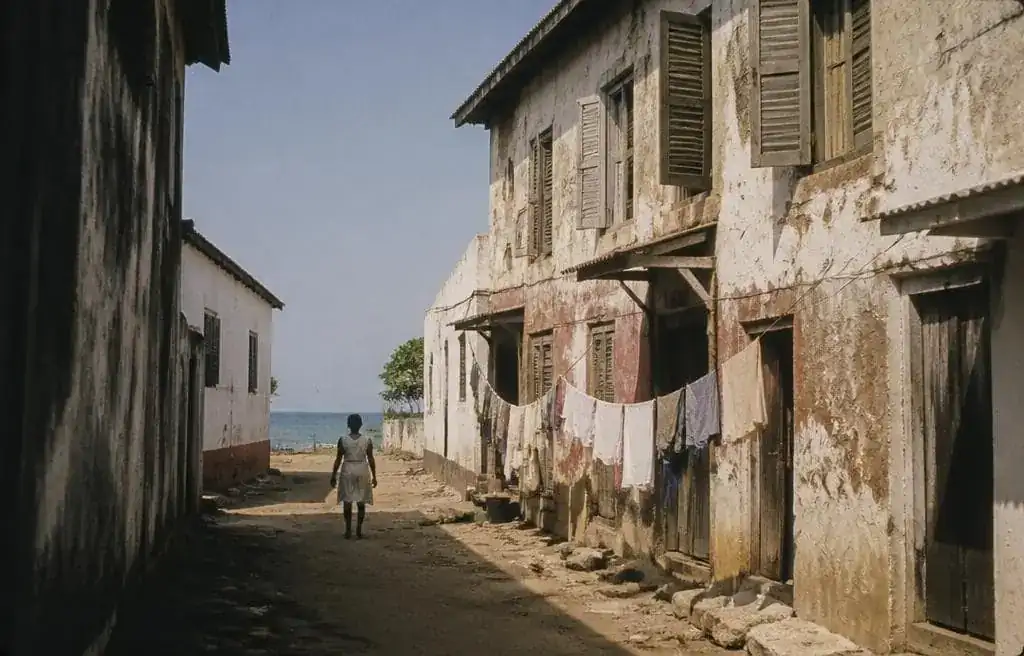
Start where colonial Accra started. Walk the Jamestown fishing harbour in the early morning, climb the 1871 lighthouse for the view over the Ga coastline, and see the boxing gyms that have produced several world champions from a few streets of corrugated roofs.
Go between 7 and 10 a.m., when the canoes come in and the light is good. Always ask before photographing people, and hire a local guide at the lighthouse — the neighbourhood stories are the point, and the fee keeps the money local.
Afternoon: the Ga Mashie waterfront and a bowl of kenkey with fried fish. Cost: GH₵ 150 – 350 including a guide.
Day 2 — Nkrumah, Independence Square and Osu at Night
Cover the national narrative in one morning: the Kwame Nkrumah Memorial Park and museum, Black Star Square, and the National Museum, which reopened after a major refurbishment and is curated by the Ghana Museums and Monuments Board.
Finish at Osu after dark. Oxford Street is loud and touristy; the quieter lanes behind it hold the better food and live music. The Ghana Tourism Authority lists licensed operators and current opening hours if you are planning around events.
Cost: GH₵ 250 – 500.
Day 3 — Craft Day: Weavers, Casket Makers and Bead Sellers
This is the day that separates a cultural tour of Ghana from a sightseeing loop.
- Teshie: the fantasy coffin workshops, where carpenters build the sculptural caskets held in museum collections worldwide. A workshop visit costs around GH₵ 100 – 200 and takes an hour.
- Arts Centre / Centre for National Culture, Accra: kente weaving, drum carving and adinkra stamping done in front of you. Bargain politely; the opening price is a starting point.
- Late afternoon: a bead workshop in the Krobo tradition, either at a city studio or at Cedi Beads if you can spare the drive to Odumase.
If you would rather shop where Accra shops, plan a separate early morning at Makola using our Makola Market timing guide.
Day 4 — Aburi Hills and the Eastern Escarpment
Ninety minutes north of the city, the Aburi Botanical Gardens deliver cool air, 160-year-old trees and the wood carvers' road that runs up to the ridge. Continue to the Tetteh Quarshie cocoa farm site at Mampong for the origin story of Ghana's cocoa industry, then eat lunch on the escarpment with the whole of Accra spread out below.
Leave the city by 7:30 a.m. to beat the Madina traffic. A chauffeur-driven car makes this day far easier than piecing together shared transport.
Cost: GH₵ 900 – 1,600 for two, including a car and driver.
Day 5 — Ada Foah, the Volta Estuary and Slow Water
Two hours east, the Volta River meets the Atlantic in a landscape of sandbars, palm islands and near-empty beach. Take a canoe or speedboat to the estuary mouth, swim on the river side, and eat grilled tilapia at a riverside lodge.
This is Greater Accra's best long day trip and the natural anchor of any week-long Ghana itinerary that wants a beach without a five-hour drive. Our Ada Foah river escape runs the route with boats and lunch arranged.
Cost: GH₵ 700 – 1,500 per person on a small-group day.
Day 6 — Cape Coast and Elmina (Long but Essential)
The one unmissable trip outside the region. Cape Coast Castle and Elmina Castle are UNESCO World Heritage sites — UNESCO's listing covers the forts and castles of the Volta, Greater Accra, Central and Western regions — and the guided tour through the dungeons and Door of No Return is the most affecting three hours you will spend in Ghana.
Leave Accra at 5:30 a.m., add the Kakum canopy walkway if you have energy, and expect to be back after dark. Our Cape Coast heritage tour and Kakum canopy walkway tour cover the route with transport included.
Cost: GH₵ 1,200 – 2,400 per person for a guided day.
Day 7 — Chale Wote Energy, Labadi and a Slow Finish
Spend the last morning at the galleries and studios that have made Accra a contemporary art city: Gallery 1957, Nubuke Foundation in East Legon and ANO Institute. Then Labadi Beach in the late afternoon for drumming and horse riding, or the quieter sand at Kokrobite if you want a calmer close.
If your dates fall in August, build the week around the Chale Wote Street Art Festival in Jamestown — the single best cultural weekend in the Ghanaian calendar.
Practical Notes for This Itinerary
| Item | Detail |
|---|---|
| Total budget, couple | GH₵ 18,000 – 30,000 for seven days excluding flights |
| Transport | Ride-hailing in the city; hired car for Days 4, 5 and 6 |
| Visa | Most nationalities need a visa in advance; Ghana Immigration Service publishes requirements |
| Health | Yellow fever certificate mandatory; malaria prophylaxis advised by the Ghana Health Service |
| Money | Cedis and mobile money; cards accepted only in hotels and malls |
For a full picture of what a week costs, read our Ghana daily budget guide, and if you want more of Greater Accra without long drives, see our hidden gems day trips.
Let Us Build Your Week
Secure Travel and Tours has designed cultural itineraries for diaspora travellers, researchers and first-time visitors since 2015. Book a paid travel consultation at our consultation page and we will turn this framework into a dated plan with drivers, guides and accommodation confirmed, or reach us on WhatsApp at +233 20 444 4220.
Frequently Asked Questions
Is one week enough to see Accra and Ghana's highlights?
Yes for Accra, Greater Accra and one coastal heritage trip. A seven-day itinerary comfortably covers Jamestown, the national monuments, craft workshops, Aburi, Ada Foah and Cape Coast. Adding Kumasi, Mole National Park or the Volta Region needs 10–14 days.
What are the best off-the-beaten-path things to do in Accra?
The Teshie fantasy coffin workshops, the Jamestown fishing harbour and lighthouse at dawn, contemporary art spaces such as Nubuke Foundation and ANO Institute, Krobo bead workshops, and the Sakumono lagoon wetland at sunset.
How much does a 7-day cultural trip to Accra cost?
Around GH₵ 18,000–30,000 for a couple over seven days excluding international flights, covering mid-range accommodation, meals, guides, entry fees and a hired car for the three days that need one.
What is the best time of year for a cultural tour of Ghana?
January to March and September to November offer the most comfortable weather and lightest crowds. August is worth targeting if you want the Chale Wote Street Art Festival in Jamestown, and December is vibrant but expensive and heavily booked.
Do I need a guide for Jamestown and Cape Coast?
A local guide is strongly recommended in Jamestown, where the value is in the neighbourhood stories and it keeps your money in the community. At Cape Coast and Elmina castles the guided tour is included in the entry fee and is essential to understanding the sites.
How do I get around Accra on a week-long itinerary?
Use Uber or Bolt inside the city at GH₵ 40–120 per trip, and hire a chauffeur-driven car for the Aburi, Ada and Cape Coast days. Tro-tros are fine for short daytime hops if you are comfortable with local transport.