The Fastest Way to Secure Your Travel Visa: 3 Common Pitfalls to Avoid
Learn how to speed up your visa application and avoid the three most common mistakes that cause delays and rejections for Ghanaian travellers.
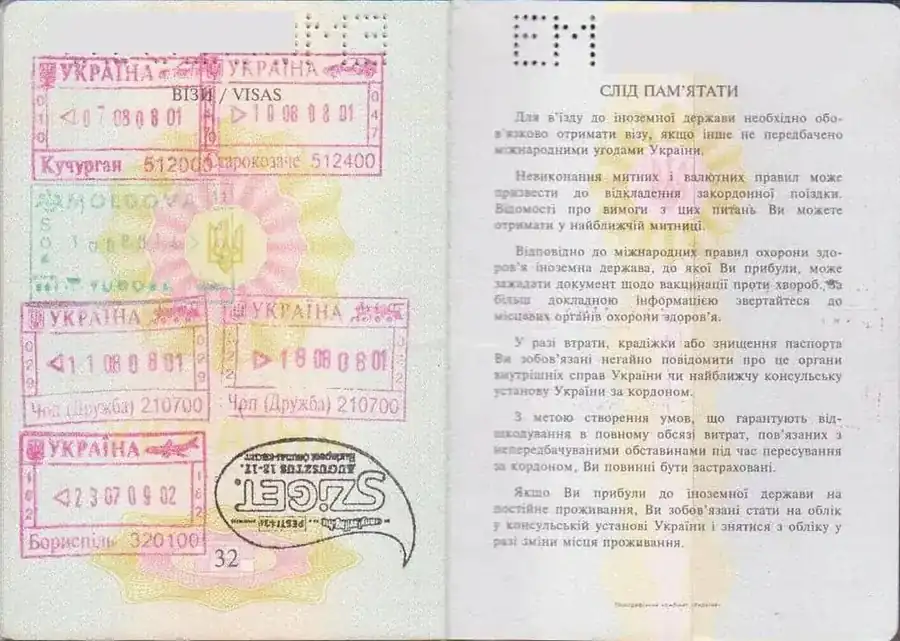
Why Speed Matters in Visa Applications
Every year, thousands of Ghanaian travellers miss flights, lose hotel deposits, and forfeit business opportunities because their visa took longer than expected. Whether you're applying for a US visa from Ghana, a UK Standard Visitor Visa, or a Schengen visa, the difference between a smooth approval and a frustrating delay often comes down to preparation.
According to the International Air Transport Association (IATA), visa processing delays are among the top barriers to international travel in West Africa. The good news? Most delays are entirely preventable.
In this guide, we'll walk you through the fastest strategies to secure your travel visa and the 3 critical pitfalls that trip up even experienced travellers.
How Long Does Visa Processing Actually Take?
Processing times vary significantly depending on destination, visa type, and how well your application is prepared:
| Destination | Standard Processing | Express/Priority |
|---|---|---|
| United States (B1/B2) | 2–8 weeks | No priority option |
| United Kingdom | 3–6 weeks | 5–10 business days |
| Canada | 4–12 weeks | Varies by category |
| Schengen Area | 15–45 calendar days | 2–5 business days |
| Australia | 4–8 weeks | No guaranteed fast-track |
| Dubai (UAE) | 3–5 business days | 24–48 hours |
| Japan | 5–10 business days | Not available |
| South Africa | 5–10 business days | Not available |
Source: UK Home Office, U.S. Department of State, and embassy websites.
Pro tip: Always apply at least 8–12 weeks before your travel date. If you're applying during peak season (May–August for summer travel, November–January for holidays), add an extra 2–4 weeks.
The Fastest Strategy: A Step-by-Step Approach
Step 1: Determine Your Exact Visa Type
Applying for the wrong visa category is one of the most common reasons for delays. Each embassy has specific categories:
- Tourism/Holiday — For leisure travel and sightseeing
- Business — For conferences, meetings, and trade
- Student — For studying abroad
- Transit — For passing through a country
- Work — Requires employer sponsorship
The International Organisation for Migration (IOM) recommends confirming your visa type directly with the embassy before starting your application.
Step 2: Gather Documents Before You Start
The number one time-saver is having every document ready before you begin the application. Here's a universal checklist:
- Valid passport (at least 6 months remaining, 2+ blank pages)
- Recent passport-sized photographs (check specific embassy requirements)
- Completed application form
- Proof of accommodation (hotel bookings or invitation letter)
- Flight itinerary (round-trip recommended)
- Bank statements (last 3–6 months)
- Employment letter or business registration
- Travel insurance (mandatory for Schengen, recommended for all)
- Cover letter explaining purpose and duration of travel
Step 3: Use Professional Assistance
Working with a reputable visa agency can cut your processing time significantly. Experienced agents know exactly what each embassy expects, catch errors before submission, and can navigate complex requirements.
At Secure Travel and Tours, we've processed thousands of visa applications for Ghanaians travelling to over 20 countries. Our team pre-reviews every application to ensure completeness before submission.
Pitfall #1: Incomplete or Inconsistent Documentation
This is the #1 cause of visa delays and rejections worldwide.
According to Migration Policy Institute research, up to 40% of visa delays stem from missing or inconsistent documents. Here's what goes wrong:
- Bank statements that don't cover the required period — Most embassies want 3–6 months. Submitting only 1–2 months triggers additional requests.
- Employment letters with missing details — Your letter must include your job title, salary, start date, approved leave dates, and confirmation you'll return.
- Name mismatches — If your passport says "Kwame Asante-Mensah" but your bank statement says "K. Mensah," you'll face delays.
- Expired passport photos — Many embassies reject photos older than 6 months. Some require specific backgrounds (white vs. off-white).
How to Avoid This Pitfall
- Create a document checklist specific to your destination embassy
- Cross-check every name, date, and number across all documents
- Get original documents — photocopies are often insufficient
- Use our consultation to have an expert review your documents before submission
Pitfall #2: Poor Financial Documentation
Your bank statement is arguably the most scrutinised document in your application.
Embassies want to see that you can afford your trip and that you have strong financial ties to Ghana (so you'll return). The World Bank notes that proof of financial stability is a universal requirement across virtually all visa categories.
Common financial documentation mistakes:
- Sudden large deposits — A GH₵50,000 deposit the week before applying looks suspicious. Embassies want to see consistent income patterns.
- Insufficient funds — As a general rule, have at least $100–$150 per day of your planned stay, plus flight and accommodation costs.
- No evidence of regular income — Even if your balance is high, embassies want to see salary credits, business revenue, or investment returns.
- Using someone else's account — Sponsorship is possible but requires additional documentation (sponsor's bank statements, relationship proof, and a formal sponsorship letter).
How to Avoid This Pitfall
- Start building your travel fund at least 3–6 months before applying
- Maintain consistent deposits — don't lump-sum right before applying
- Include additional financial documents: tax returns, property ownership, investment certificates
- If sponsored, ensure the sponsor provides a notarised letter and their own bank statements
- Read our detailed guide on visa rejection reasons and how to avoid them
Pitfall #3: Weak Ties to Your Home Country
This is the pitfall that catches most Ghanaian applicants off guard.
Every non-immigrant visa requires you to prove you'll return to Ghana after your trip. The U.S. Embassy in Accra explicitly states that demonstrating strong ties to Ghana is essential for visa approval.
What counts as "strong ties"?
- Employment — A stable job with a confirmed return date
- Business ownership — Registration documents, tax filings, client contracts
- Property — Land or property ownership in Ghana
- Family — Spouse, children, or dependents remaining in Ghana
- Education — Ongoing enrollment in a Ghanaian institution
- Community involvement — Church leadership, professional associations, board memberships
How to Avoid This Pitfall
- Include a detailed cover letter explaining your ties to Ghana
- Provide documentary evidence for each tie you claim
- If self-employed, include your business registration, recent tax returns, and client invoices
- If you're a student, include an enrollment letter confirming your return date
- Our visa consultation service helps you identify and document your strongest ties
Bonus Tips for Faster Processing
Use Online Application Systems
Most embassies now offer online application portals. Complete the form online to avoid handwriting errors and speed up processing:
- US visa: Consular Electronic Application Center (CEAC)
- UK visa: UK Visa Application Portal
- Canada visa: Immigration, Refugees and Citizenship Canada (IRCC)
- Schengen visa: Individual embassy portals or VFS Global
Book Your Appointment Early
Visa appointment slots fill up fast, especially during peak travel seasons. Book your appointment as soon as you decide to travel — even before you've gathered all documents. You can prepare documents while waiting for your appointment date.
Consider Priority Processing
Some embassies offer expedited processing for an additional fee:
- UK Priority Visa: 5–10 business days (additional £250–£500)
- Schengen Priority: 2–5 business days (varies by embassy)
- Dubai visa: 24-hour rush processing available
Keep Certified Copies of Everything
After submission, you won't have access to your original documents for weeks. Always keep certified copies for your records. This also helps if you need to reapply.
When to Start Your Visa Application: A Timeline
| Timeframe | Action |
|---|---|
| 12 weeks before travel | Research visa requirements, gather documents |
| 10 weeks before | Complete application form, book appointment |
| 8 weeks before | Attend visa appointment / submit application |
| 6 weeks before | Follow up if no response (where permitted) |
| 4 weeks before | Receive visa decision |
| 2 weeks before | Finalise travel arrangements, book airport transfers |
| 1 week before | Confirm all bookings, prepare travel documents |
How Secure Travel and Tours Helps You Get Your Visa Faster
We've helped thousands of Ghanaians secure visas to the USA, UK, Canada, Australia, Japan, South Africa, and many more destinations.
Here's what we offer:
- initial consultation — We assess your profile and recommend the best approach
- Document review and preparation — We catch errors before the embassy does
- Application form assistance — We help you complete forms accurately
- Interview coaching — For embassies that require in-person interviews (like the US visa interview)
- Follow-up and tracking — We monitor your application status
- DS-160 form filling — Expert assistance for US visa applications
Book your visa consultation today →
Final Thoughts
Securing a travel visa doesn't have to be stressful or slow. By avoiding these three common pitfalls — incomplete documentation, poor financial evidence, and weak ties to Ghana — you dramatically increase both your chances of approval and the speed of processing.
Remember: preparation is everything. Start early, be thorough, and don't hesitate to seek professional help. The cost of expert guidance is always less than the cost of a rejected application.
Read more visa guides on our travel blog, or explore our complete visa services for Ghanaians travelling worldwide.
Frequently Asked Questions
How long does it take to get a travel visa from Ghana?
Processing times vary by destination. Dubai visas can be ready in 3–5 business days, UK visas take 3–6 weeks, US visas take 2–8 weeks, and Canada visas can take 4–12 weeks. Applying with complete, error-free documents is the best way to avoid additional delays.
What is the most common reason for visa rejection in Ghana?
Incomplete or inconsistent documentation is the leading cause of visa rejections. This includes missing bank statements, name mismatches across documents, expired passport photos, and insufficient proof of ties to Ghana. A professional review before submission can prevent most rejections.
Can I get a visa faster by using a travel agency?
Yes. Experienced agencies like Secure Travel and Tours pre-review your application to ensure completeness, reducing back-and-forth with embassies. While they can't guarantee faster embassy processing, they eliminate the most common causes of delays.
How much money should I have in my bank account for a visa application?
As a general guideline, you should have at least $100–$150 per day of your planned stay, plus enough to cover flights and accommodation. The key is showing consistent income over 3–6 months rather than a sudden large deposit.
What are 'strong ties' to Ghana and why do they matter?
Strong ties are evidence that you'll return to Ghana after your trip. They include stable employment, business ownership, property, family (spouse and children), ongoing education, and community involvement. Embassies assess these to determine if you're likely to overstay your visa.
Should I apply for a visa before booking flights?
You should have a flight itinerary (not necessarily a paid ticket) when applying. Many airlines and travel agencies offer hold-or-refundable bookings for visa purposes. Book your appointment early and prepare documents simultaneously to save time.
What happens if my visa is rejected?
You can typically reapply, but you should first understand why it was rejected. Address the specific reasons before resubmitting. Working with a visa consultant can help identify weaknesses in your original application and strengthen your reapplication.
Is travel insurance required for all visa applications?
Travel insurance is mandatory for Schengen visa applications (minimum €30,000 coverage). While not always required for US, UK, or Canada visas, having travel insurance strengthens your application and protects you financially during your trip.