Is Ghana Safe in 2026? Everything You Need to Know Before You Land
A comprehensive safety guide for travellers visiting Ghana in 2026 — covering crime, health, transport, scams, solo travel tips, and neighbourhood advice from local experts.
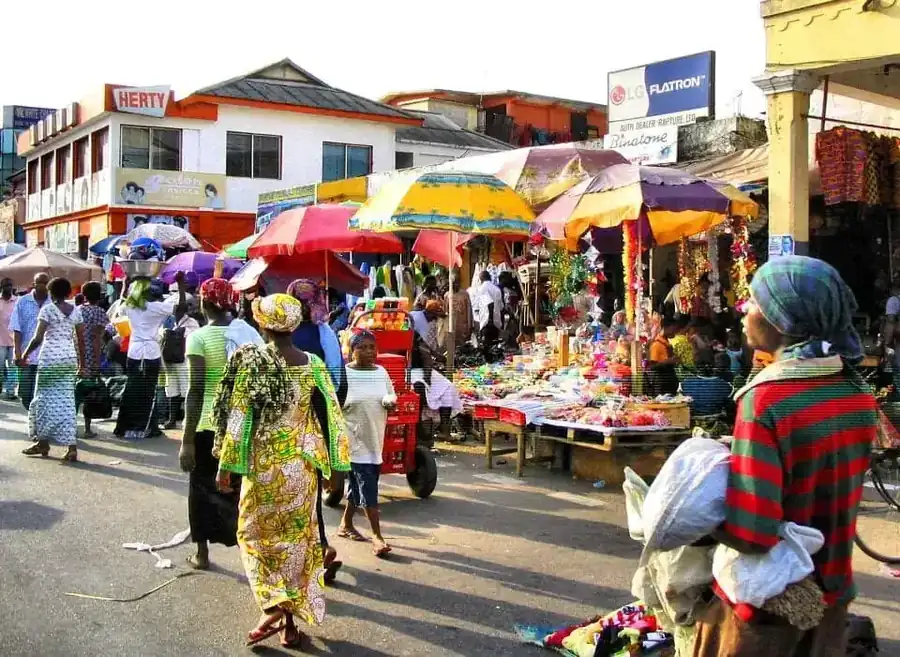
Is Ghana Safe to Visit in 2026?
Yes — Ghana is widely regarded as one of the safest countries in Africa for tourists. The Global Peace Index consistently ranks Ghana among the top 5 most peaceful nations on the continent, and the country has enjoyed stable democratic governance since 1992. Whether you're a solo female traveller, a family on holiday, or a digital nomad exploring West Africa, Ghana offers a remarkably welcoming experience.
That said, no destination is risk-free. This guide covers everything you need to know — from petty crime and health precautions to transport safety and neighbourhood advice — so you can explore Ghana with confidence.
Ghana's Safety Reputation: The Facts
Ghana has earned nicknames like "Gateway to West Africa" and "The Gold Coast" for good reason. Here's why travellers rate it highly:
- Political stability — Ghana is one of Africa's longest-running democracies, with peaceful power transitions since 1992
- Low violent crime — Violent crime against tourists is rare compared to many popular destinations worldwide
- Friendly culture — Ghanaians are renowned for hospitality; the country's motto is literally "Freedom and Justice"
- Growing tourism infrastructure — Hotels, tour operators, and transport networks have improved significantly
According to the UK Foreign, Commonwealth & Development Office (FCDO), most visits to Ghana are trouble-free, though standard precautions are advised.
Crime and Personal Safety
Petty Crime
Like any tourist destination, petty crime exists — particularly in crowded areas. Here's what to watch for:
- Pickpocketing — Common at Makola Market, Kaneshie Station, and other busy commercial areas in Accra
- Bag snatching — Occasionally reported in Accra, especially after dark
- Phone theft — Avoid displaying expensive devices in crowded trotro stations or walking alone at night with your phone out
How to Stay Safe
- Keep valuables in a hotel safe or use a money belt
- Avoid walking alone in poorly lit areas after 10 PM
- Use reputable ride-hailing apps like Bolt or Uber instead of unmarked taxis
- Carry copies of your passport — leave the original locked in your accommodation
- Stay aware of your surroundings in busy markets and transport hubs
Violent Crime
Violent crime targeting tourists is uncommon in Ghana. Armed robberies can occur but are largely concentrated in specific areas and rarely involve visitors. The US State Department currently lists Ghana at Level 2: Exercise Increased Caution — the same level as France and the UK.
Scams to Watch Out For
Every travel destination has its share of scams. Here are the most common in Ghana:
- Overcharging at markets — Always negotiate prices at Makola and Art Centre markets. Start at 40–50% of the initial asking price
- Fake tour guides — Only book tours through licensed agencies like Secure Travel and Tours to ensure quality and accountability
- Romance scams — Be cautious of unsolicited online friendships that quickly turn into financial requests
- Gold/investment scams — If someone offers you a "once-in-a-lifetime" gold deal, walk away
- Taxi overcharging — Agree on the fare before getting into any taxi, or use ride-hailing apps
Pro Tip
Book all tours, airport transfers, and excursions through a trusted Ghanaian travel agency to avoid middlemen and inflated prices.
Health and Medical Safety
Vaccinations
Before travelling to Ghana, ensure you have the following vaccinations (consult the WHO Ghana page or your travel clinic):
- Yellow Fever — Mandatory for entry; you'll need your yellow card at immigration
- Hepatitis A and B — Strongly recommended
- Typhoid — Recommended, especially if eating street food
- Meningitis — Advised for travel to northern Ghana during the dry season (November–April)
- COVID-19 — Ensure you're up to date with boosters
Malaria Prevention
Ghana is in a malaria zone. Take antimalarial medication (such as Malarone or Doxycycline) and:
- Use mosquito repellent containing DEET (20–50%)
- Sleep under treated mosquito nets
- Wear long sleeves and trousers in the evenings
- Consider staying in accommodations with air conditioning or screened windows
Water and Food Safety
- Don't drink tap water — Stick to bottled or filtered water (brands like Voltic and Bel-Aqua are widely available)
- Street food is generally safe if you eat at busy stalls with high turnover — look for freshly cooked items
- Popular safe street foods include jollof rice, kelewele, waakye, and grilled tilapia
Medical Facilities
Accra has several quality hospitals and clinics:
- Korle-Bu Teaching Hospital — Ghana's largest public hospital
- Nyaho Medical Centre — Private hospital with international standards
- Ridge Hospital — Government facility in central Accra
For emergencies, dial 112 (Ghana's national emergency number) or 193 for ambulance services. Travel insurance is strongly recommended — learn more about travel insurance for Ghanaians.
Transport Safety in Ghana
Domestic Flights
Africa World Airlines operates reliable domestic flights between Accra, Kumasi, and Tamale. Flying is the safest and fastest option for long-distance travel within Ghana.
Ride-Hailing Apps
Bolt and Uber are widely available in Accra and Kumasi. They're affordable, metered, and significantly safer than hailing random taxis on the street.
Trotros (Minibuses)
Trotros are the backbone of Ghana's public transport. They're incredibly cheap but can be:
- Overcrowded and uncomfortable
- Driven aggressively
- Not always well-maintained
If you use trotros, sit near the front, keep belongings close, and avoid night journeys on intercity routes.
Intercity Buses
For longer journeys, VIP/STC buses offer a more comfortable and safer alternative to trotros, with fixed schedules and air conditioning.
Road Safety
Ghana's road accident rate is higher than European standards. To stay safe:
- Always wear seatbelts
- Avoid overnight road travel
- Hire a trusted driver for road trips — explore our Ghana tour packages for guided experiences with professional drivers
Neighbourhood Safety Guide: Accra
Safe and Popular Areas for Tourists
| Neighbourhood | Safety Rating | Best For |
|---|---|---|
| Osu | ★★★★☆ | Restaurants, nightlife, shopping |
| Airport Residential | ★★★★★ | Upscale hotels, business travellers |
| East Legon | ★★★★★ | Expat-friendly, cafés, malls |
| Labone | ★★★★☆ | Boutique hotels, quiet residential |
| Cantonments | ★★★★★ | Embassies, high-end dining |
Areas Requiring Extra Caution
- Nima / Mamobi — Densely populated, higher petty crime; avoid after dark
- James Town — Historic and cultural, but exercise caution with valuables
- Agbogbloshie — Industrial area; not a tourist zone
Beyond Accra
Ghana's other popular destinations are generally safe:
- Cape Coast & Elmina — Tourist-friendly with well-managed heritage sites. Plan your 7-day Ghana itinerary
- Kumasi — Cultural capital; busy but welcoming
- Tamale & Northern Ghana — Safe for travellers; Mole National Park is a highlight
- Volta Region — Stunning nature, friendly communities, Wli Waterfalls
Explore 10 must-visit destinations in Ghana for detailed planning.
Solo Female Travel in Ghana
Ghana is one of the best countries in Africa for solo female travellers. Here's why:
- Respectful culture — While you may receive attention, Ghanaians are generally respectful and helpful
- Active expat community — Accra has a thriving community of international women living and working there
- Women-owned businesses — Many guesthouses, restaurants, and tour companies are female-run
Tips for Solo Female Travellers
- Dress modestly, especially outside Accra — lightweight, loose-fitting clothing works perfectly in the heat
- Use Bolt or Uber rather than informal taxis, especially at night
- Inform your hotel of your daily plans
- Join group tours for popular destinations — book a guided tour with us
- Trust your instincts — if something feels off, leave the situation
LGBTQ+ Travellers
Ghana's laws and social attitudes toward LGBTQ+ individuals are conservative. Same-sex relationships are criminalised under existing laws, and public displays of affection between same-sex couples are strongly advised against. The Human Rights Watch Ghana page provides further context. LGBTQ+ travellers should exercise discretion.
Natural Disasters and Climate
Ghana is not prone to major natural disasters (no earthquakes, volcanoes, or hurricanes). The main weather considerations are:
- Rainy season — April to July (major) and September to November (minor). Expect heavy downpours that can cause temporary flooding in low-lying parts of Accra
- Harmattan — December to February brings dry, dusty winds from the Sahara. Carry moisturiser and lip balm
- Heat — Temperatures range from 25–35°C year-round. Stay hydrated
Travel Insurance: Don't Skip It
Even in a safe destination like Ghana, travel insurance is essential. It covers:
- Medical emergencies and hospital bills
- Trip cancellations or delays
- Lost or stolen luggage
- Emergency evacuation
We always recommend purchasing comprehensive travel insurance before your trip. Read our full guide to travel insurance for Ghanaians.
Emergency Contacts in Ghana
| Service | Number |
|---|---|
| National Emergency | 112 |
| Police | 191 |
| Fire Service | 192 |
| Ambulance | 193 |
| Ghana Tourism Authority | +233 302 682 601 |
Save these numbers in your phone before arrival.
Final Verdict: Should You Visit Ghana in 2026?
Absolutely. Ghana is a safe, vibrant, and deeply rewarding destination. With basic common-sense precautions — the same you'd take in London, New York, or Paris — you'll have an incredible experience exploring the country's rich culture, history, beaches, and wildlife.
Ready to plan your Ghana adventure? Contact Secure Travel and Tours for expert guidance, or explore our Ghana tour packages for hassle-free, fully guided experiences.
Check your visa eligibility before you book, and browse our top destinations for more inspiration.
Frequently Asked Questions
Is Ghana safe for tourists in 2026?
Yes, Ghana is one of the safest countries in Africa for tourists. The Global Peace Index consistently ranks it among the top 5 most peaceful African nations. Violent crime against tourists is rare, and most visits are trouble-free with basic precautions.
What are the biggest safety risks in Ghana?
The main risks are petty crimes like pickpocketing and phone theft in crowded areas, road traffic accidents, and malaria. Violent crime targeting tourists is uncommon. Using ride-hailing apps, taking antimalarial medication, and staying in well-known neighbourhoods significantly reduce any risks.
Is Accra safe to walk around?
Most tourist-friendly areas in Accra — such as Osu, East Legon, Airport Residential, Cantonments, and Labone — are safe to walk around during the day. Avoid walking alone in poorly lit areas after dark, and use Bolt or Uber for nighttime transportation.
Do I need vaccinations to visit Ghana?
Yes. Yellow Fever vaccination is mandatory for entry into Ghana — you must present your yellow card at immigration. Hepatitis A and B, Typhoid, and Meningitis vaccines are also strongly recommended. Antimalarial medication should be taken before, during, and after your trip.
Is Ghana safe for solo female travellers?
Ghana is considered one of the best African countries for solo female travellers. Ghanaians are generally respectful and helpful, and Accra has a thriving international expat community. Standard precautions like using ride-hailing apps at night and dressing modestly outside major cities are recommended.
Can I drink tap water in Ghana?
No, tap water is not safe to drink in Ghana. Stick to bottled water from trusted brands like Voltic or Bel-Aqua, which are widely available and affordable. Avoid ice in drinks unless you're at a reputable restaurant or hotel.
What is the emergency number in Ghana?
Ghana's national emergency number is 112. You can also call 191 for police, 192 for fire services, and 193 for ambulance services. Save these numbers in your phone before travelling.
Is it safe to use public transport in Ghana?
Ride-hailing apps like Bolt and Uber are the safest transport options in Accra and Kumasi. Trotros (minibuses) are cheap but can be overcrowded. For intercity travel, VIP/STC buses or domestic flights with Africa World Airlines are recommended over long-distance trotro journeys.