How to Navigate Accra's Tro-Tro System: A First-Timer's Survival Guide
Accra runs on tro-tros. This first-timer's guide explains fares, hand signals, the main stations, peak hours and the safety rules you need to ride Accra's minibuses with confidence.
Accra Public Transport in Plain English
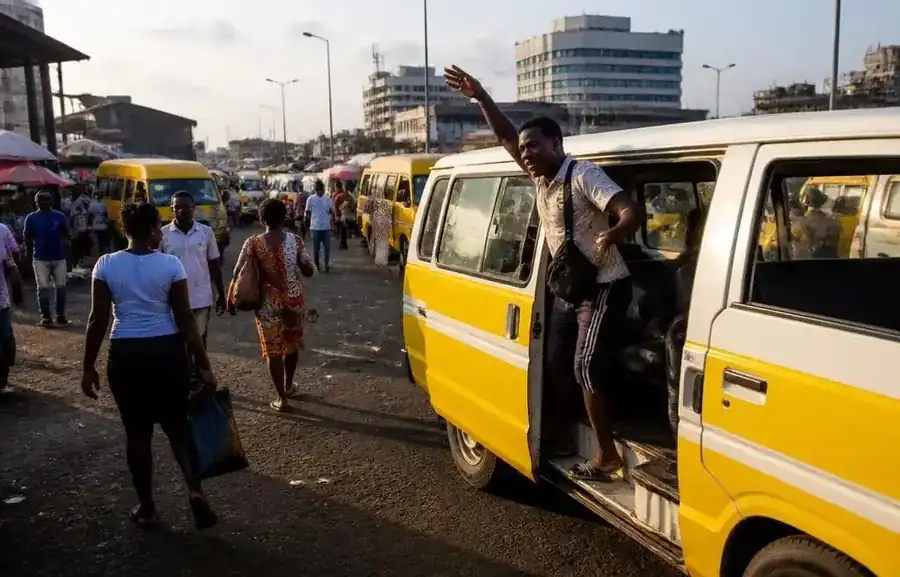
Accra moves on tro-tros. These 15–20 seater minibuses — usually white, yellow-striped and older than most of their passengers — carry the majority of the city's daily commuters, and they run on a system that exists almost entirely in people's heads. No printed timetable, no route map at the station, no app. Just a driver, a mate (the conductor hanging out of the sliding door), a shouted destination and a hand signal.
If you are visiting Accra for the first time, or you have just moved to the city for work or school, this guide gets you from confused bystander to confident rider. Everything below is written from how the system actually behaves in 2026 — fares, hand signals, station names and the mistakes that cost first-timers time and money.
Just landed? Read our companion Kotoka International Airport arrival guide first — you should not attempt your first tro-tro with three suitcases at midnight.
What Exactly Is a Tro-Tro?
A tro-tro is a privately owned minibus operating a fixed route between two stations, licensed through a local branch of the Ghana Private Road Transport Union (GPRTU). The name comes from the old Ga word for "threepence" — the original fare.
Each vehicle carries two people you need to know:
- The driver. Focused on the road, rarely speaks to passengers.
- The mate. Calls the destination, collects fares, gives change, decides where you sit and bangs on the roof to signal stops.
You pay the mate, not the driver, and almost always after the bus starts moving.
Tro-Tro Fares in Accra (2026 Ranges)
Fares are negotiated between the GPRTU and the Ministry of Transport and adjusted whenever fuel prices shift, so treat these as realistic ranges rather than fixed prices:
| Trip type | Typical 2026 fare |
|---|---|
| Short hop within one district (e.g. Dansoman to Kaneshie) | GH₵ 3 – 6 |
| Cross-town (e.g. Circle to Madina) | GH₵ 6 – 12 |
| Long route (e.g. Accra to Kasoa or Ashaiman) | GH₵ 12 – 25 |
| Luggage surcharge (large bag/suitcase) | GH₵ 3 – 10 extra |
Carry small notes and coins. A mate handling a GH₵ 200 note on a GH₵ 5 fare is a guaranteed argument. Many mates now accept mobile money for longer routes, but cash remains king.
The Hand Signals — The Part Nobody Explains
Tro-tro mates announce destinations with a hand signal from the window because nobody can hear a shout over Ring Road traffic. The signals you will see most in Accra:
- Index finger pointing straight down: heading to the town centre / Accra Central (Tudu, Rawlings Park area).
- Index finger circling in the air: Kwame Nkrumah Circle.
- Fingers pointed forward, hand flat and pushing outward: going straight ahead on the main road, e.g. Madina, Kasoa.
- Hand flapping downward at the wrist: "we still have seats, get in."
- Palm patting downward toward the kerb: the bus is stopping for you.
If you are not sure, just say the name of your destination as the bus slows. The mate will nod (get in) or wave you off (wrong route).
How to Ride a Tro-Tro, Step by Step
- Know your destination's station name, not the street. Accra navigation runs on landmarks and stations — "Circle", "37", "Kaneshie", "Achimota", "Madina Zongo Junction", "Tema Station". Google Maps street names will not help you at the roadside.
- Stand at a recognised stop. Look for a cluster of people waiting under a tree or shelter. Standing alone mid-block usually means buses pass you.
- Listen and signal. When you hear your destination called, raise your hand.
- Board fast and sit. Tro-tros stop for seconds, not minutes. Take the seat the mate points at, even if it is the fold-down aisle seat.
- Pay when asked. The mate will reach back for fares once you are moving. Say your destination clearly so you are charged the correct stage.
- Call your stop early. Shout "bus stop!" or "mate, next stop!" about 100 metres before you want to get out.
The Main Accra Stations You Should Know
- Kwame Nkrumah Circle (Circle): the city's central transport heart. From here you can reach almost anywhere in Greater Accra.
- Kaneshie Station: western routes — Dansoman, Mallam, Kasoa and the Cape Coast highway.
- Tema Station (Accra Central): eastern routes to Tema, Ashaiman and the Volta corridor.
- 37 Station: Airport Residential, East Legon, Madina, Adenta.
- Achimota Station: northern routes toward Ofankor, Amasaman and long-distance buses.
- Madina Station: the busy north-east hub for Adenta, Ashaiman via Motorway and Aburi.
For heritage stops near Accra Central such as Makola, read our best time to visit Makola Market guide before you set out.
Peak Hours and How Long Things Actually Take
- Morning rush: 6:00 – 9:30 a.m. inbound toward Circle and Accra Central.
- Evening rush: 4:00 – 8:00 p.m. outbound to Kasoa, Madina, Ashaiman.
- Sweet spots: 10:00 a.m. – 2:00 p.m. and after 8:30 p.m.
A journey that takes 25 minutes at 11 a.m. can take 90 minutes at 5:30 p.m. On the Kasoa and Madina corridors, budget double. If you have a flight, an embassy appointment or a visa consultation booked, do not gamble on a tro-tro at peak hour.
Safety and Common Sense for First-Timers
- Keep your phone in your front pocket or an inside bag, especially in crowded stations.
- Sit near the door if you are unsure of your stop.
- Never hand your bag to a stranger who offers to "hold it" while you board.
- Agree nothing that involves someone taking your phone to "help you make a call".
- At night, prefer Uber, Bolt or a chauffeured car over an unfamiliar tro-tro route.
- Avoid the fold-down seat directly behind the driver if you are tall — you will regret it within 10 minutes.
Ghana is a friendly, low-violence travel destination — the Ghana Tourism Authority publishes visitor guidance for each region — and tro-tro crime is largely opportunistic pickpocketing rather than anything dramatic. Ordinary vigilance is enough. See our 10 essential travel safety tips for the wider picture.
Tro-Tro vs Uber vs Bolt vs Chauffeured Car
| Option | Cost across town | Best for |
|---|---|---|
| Tro-tro | GH₵ 5 – 15 | Budget travel, short daytime hops, cultural immersion |
| Shared taxi (dropping/line taxi) | GH₵ 15 – 40 | Neighbourhood trips, market runs |
| Uber / Bolt | GH₵ 40 – 120 | Airport-free trips, night travel, luggage |
| Chauffeured car hire | From GH₵ 700/day | Full-day itineraries, business visits, groups |
Visitors on a tight schedule usually mix them: tro-tro for the experience, ride-hailing for evenings, and a chauffeur-driven car rental for full-day sightseeing or business meetings.
Five Mistakes First-Timers Make
- Boarding without confirming the destination. Two buses at the same stop can share 80% of a route and split at a junction.
- Paying before the bus moves. Wait for the mate to ask.
- Travelling with big luggage at rush hour. You will pay extra and block the aisle.
- Expecting a receipt or a fixed printed fare. Neither exists.
- Missing your stop because you called it too late. Call it early; you can always walk back 50 metres.
Learning Routes Fast
- Ask the mate at your local station which bus goes where — they will tell you plainly.
- Use Google Maps for direction and distance, and station names for the actual boarding.
- Trotro Map and similar community route projects give a rough network picture for Greater Accra.
- Best trick of all: ride the same route three times in daylight before attempting it after dark.
Related Reading
- Kotoka International Airport Arrival Guide: SIM Cards, Wi-Fi & Transfers
- Best Time to Visit Makola Market and Avoid the Crowds
- Things to Do in Accra 2026: Top Experiences
- Best Ways to Travel from Accra to Kumasi
- Best Beaches in Accra 2026
- Visit Ghana — Plan Your Trip Hub
- Chauffeur-Driven Car Rentals in Accra
Visiting Accra and want the city without the guesswork? Book a travel consultation and we'll plan your transport, airport transfer and day itineraries around your schedule.
Frequently Asked Questions
How much does a tro-tro cost in Accra?
Short hops within one district cost roughly GH₵ 3–6, cross-town trips GH₵ 6–12, and long routes such as Accra to Kasoa or Ashaiman GH₵ 12–25. Large luggage attracts an extra GH₵ 3–10. Fares change whenever fuel prices move, so carry small notes and coins.
How do I know which tro-tro to board in Accra?
Listen for the mate calling the destination and watch the hand signal from the window — a finger pointing down means Accra Central, a circling finger means Kwame Nkrumah Circle, and a flat hand pushed forward means straight ahead on the main road. If unsure, simply say your destination as the bus slows; the mate will nod you in or wave you off.
Are tro-tros safe for tourists in Accra?
Yes, for daytime travel with ordinary vigilance. Keep your phone and wallet in a front pocket or inside bag, avoid crowded stations at rush hour with luggage, never hand your bag to a stranger, and prefer Uber, Bolt or a chauffeured car after dark or on unfamiliar routes.
When are Accra's tro-tro rush hours?
Inbound congestion runs 6:00–9:30 a.m. and outbound 4:00–8:00 p.m. A 25-minute midday trip can take 90 minutes at 5:30 p.m., especially on the Kasoa and Madina corridors. Travel between 10 a.m. and 2 p.m. whenever you can.
Do you pay before or after boarding a tro-tro?
After. The mate collects fares once the bus is moving and gives change from a bundle of notes. Say your destination clearly when paying so you are charged the correct stage.
Is a tro-tro or Uber better for getting around Accra?
Tro-tros cost GH₵ 5–15 across town and are best for budget daytime travel; Uber or Bolt costs GH₵ 40–120 and is better for evenings, luggage and tight schedules. Visitors with full-day itineraries usually book a chauffeur-driven car instead.